Last updated: October 5, 2026
The best vlogging camera for most people in 2026 is the DJI Osmo Pocket 4: a 1-inch sensor on a 3-axis gimbal that fits in a pocket and shoots smooth 4K with almost no learning curve. But “most people” isn’t everyone, so here are the 16 cameras actually worth buying this year. They run from budget compacts to full-frame mirrorless, picked from current reviews and what is actually in stock in 2026.
On this page
As an Amazon Associate I earn from qualifying purchases.
Quick picks: the short version
- Best overall: DJI Osmo Pocket 4: gimbal-smooth 1-inch 4K in your pocket; the shortest path from unboxing to great-looking vlogs.
- Best budget: Sony ZV-1F: a 1-inch sensor and 20mm wide lens for the lowest buy-in on this list.
- Best for beginners: Canon EOS R50 V: video-first controls and superb autofocus, with an RF lens system to grow into.
- Best action camera: DJI Osmo Action 6: rugged, waterproof, front screen, and a square sensor that reframes for every platform.
- Best for livestreaming: Canon EOS R50 V: a dedicated livestream button and clean USB streaming make going live the simplest on this list.
- Best for vertical video: Insta360 X5: shoot once in 360 and reframe the same take for Shorts, Reels and TikTok afterwards.
Want the full reasoning? The detailed breakdown of all 16 cameras is below, followed by a buying guide that helps you match a camera to how you actually film.
All 16 cameras compared
Every camera on this list at a glance. If a row catches your eye, the full write-up is further down.
| Camera | Sensor | Max video | Best for | Stabilization | Mic input | Weight |
|---|---|---|---|---|---|---|
| DJI Osmo Pocket 4 | 1-inch | 4K/240 | All-round vlogging | 3-axis gimbal | OsmoAudio wireless | 190.5 g |
| Sony ZV-E10 II | APS-C | 4K60 | Growing into lenses | Electronic | 3.5mm | 377 g |
| Canon EOS R50 V | APS-C | 4K60 | Beginners stepping up | Lens IS + digital | 3.5mm | 370 g |
| Insta360 Luna Ultra | 1-inch + tele | 8K30 | Innovation, dual-lens | 3-axis gimbal | Via detachable screen | 233 g |
| Sony ZV-E1 | Full-frame | 4K120 | Low light, background blur | 5-axis IBIS | 3.5mm | 483 g |
| Fujifilm X-M5 | APS-C | 6.2K30 | Film-look colors | Digital | 3.5mm | 355 g |
| Canon PowerShot V1 | 1.4-inch | 4K60 | Premium compact | Optical IS | 3.5mm | 426 g |
| Sony ZV-1 II | 1-inch | 4K/30 | Wide-angle compact vlogging | Electronic | 3.5mm | 292 g |
| Panasonic Lumix GH7 | Micro Four Thirds | 5.8K/30 | Serious video work | 5-axis IBIS | 3.5mm | 805 g |
| Sony ZV-1F | 1-inch | 4K30 | Tight budgets | Electronic | 3.5mm | 256 g |
| Insta360 X5 | Dual 1/1.28-inch | 8K 360 | 360 reframing | FlowState | USB-C adapter | 200 g |
| DJI Osmo Action 6 | 1/1.1-inch | 8K/30 | Rugged action | RockSteady 3.0 | OsmoAudio wireless | 149 g |
| GoPro HERO 13 Black | 1/1.9-inch | 5.3K60 | GoPro ecosystem | HyperSmooth 6.0 | Bluetooth | 157 g |
| Insta360 Ace Pro 2 | 1/1.3-inch | 8K30 | Low-light action | FlowState | USB-C adapter | 177.2 g |
| Panasonic Lumix S9 | Full-frame | 6K Open Gate | Cinematic social video | 5-axis IBIS | 3.5mm | 641 g |
| Sony FX30 | APS-C cinema | 4K120 | Going pro | 5-axis IBIS | 3.5mm | 646 g |
The 16 best vlogging cameras of 2026
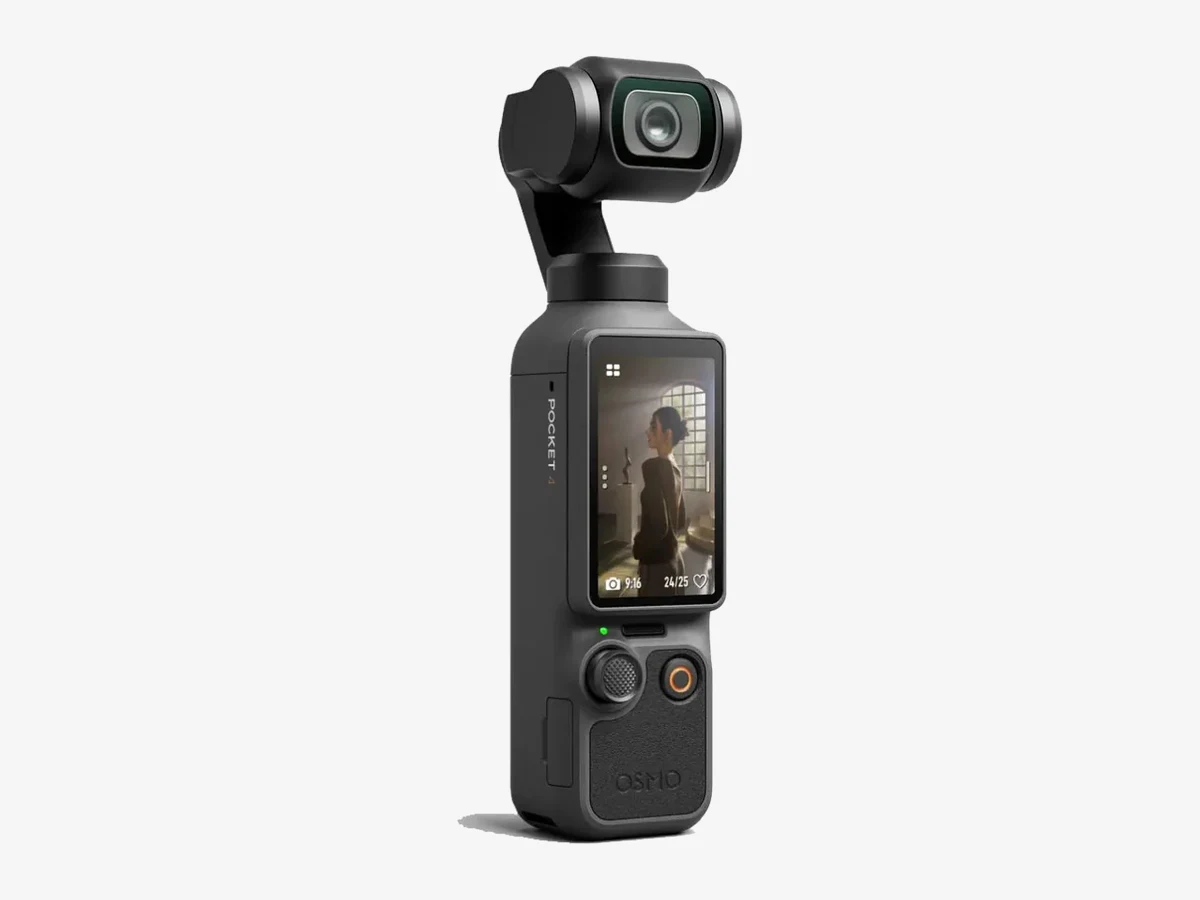
Image: DJI
DJI Osmo Pocket 4
The camera most reviewers now name as the single best vlogging purchase. A 1-inch sensor on a 3-axis gimbal, in a body that fits in a jacket pocket, shooting 4K up to 240fps with subject tracking that keeps up on walk-and-talk footage. Downside: it can get warm during long continuous 4K sessions, and the lens is fixed.
Pros
- 1-inch sensor on a 3-axis gimbal in a jacket-pocket body
- 4K up to 240fps for crisp slow motion
- ActiveTrack 7.0 keeps subjects framed on walk-and-talk shots
- 107GB internal storage, so you can shoot without a memory card
Cons
- Can get warm during long continuous 4K sessions
- Fixed lens, no zoom versatility
- Small body can feel fiddly with large hands
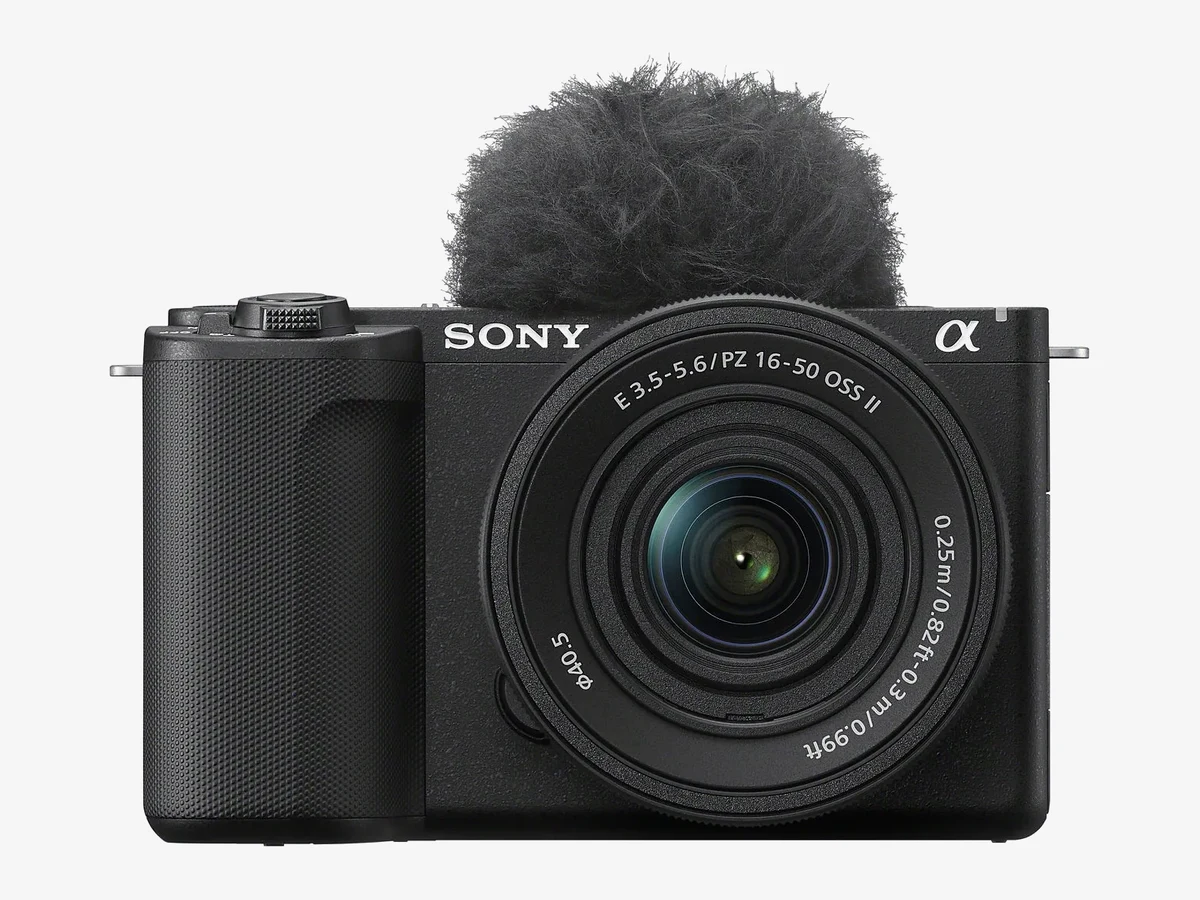
Image: Sony
Sony ZV-E10 II
The safe default for anyone who wants room to grow. A 26MP APS-C sensor, 4K60 video, and access to Sony’s huge E-mount lens system, from cheap wide vlogging primes to serious glass later. The catch: no in-body stabilization, so you lean on the lens or electronic help.
Pros
- 26MP APS-C sensor with sharp 4K60 video
- Huge, affordable E-mount lens system to grow into
- Flip screen plus mic and headphone jacks, all the vlogging I/O you need
Cons
- No in-body stabilization, so it relies on the lens or electronic help
- A good vlogging lens adds to the total cost
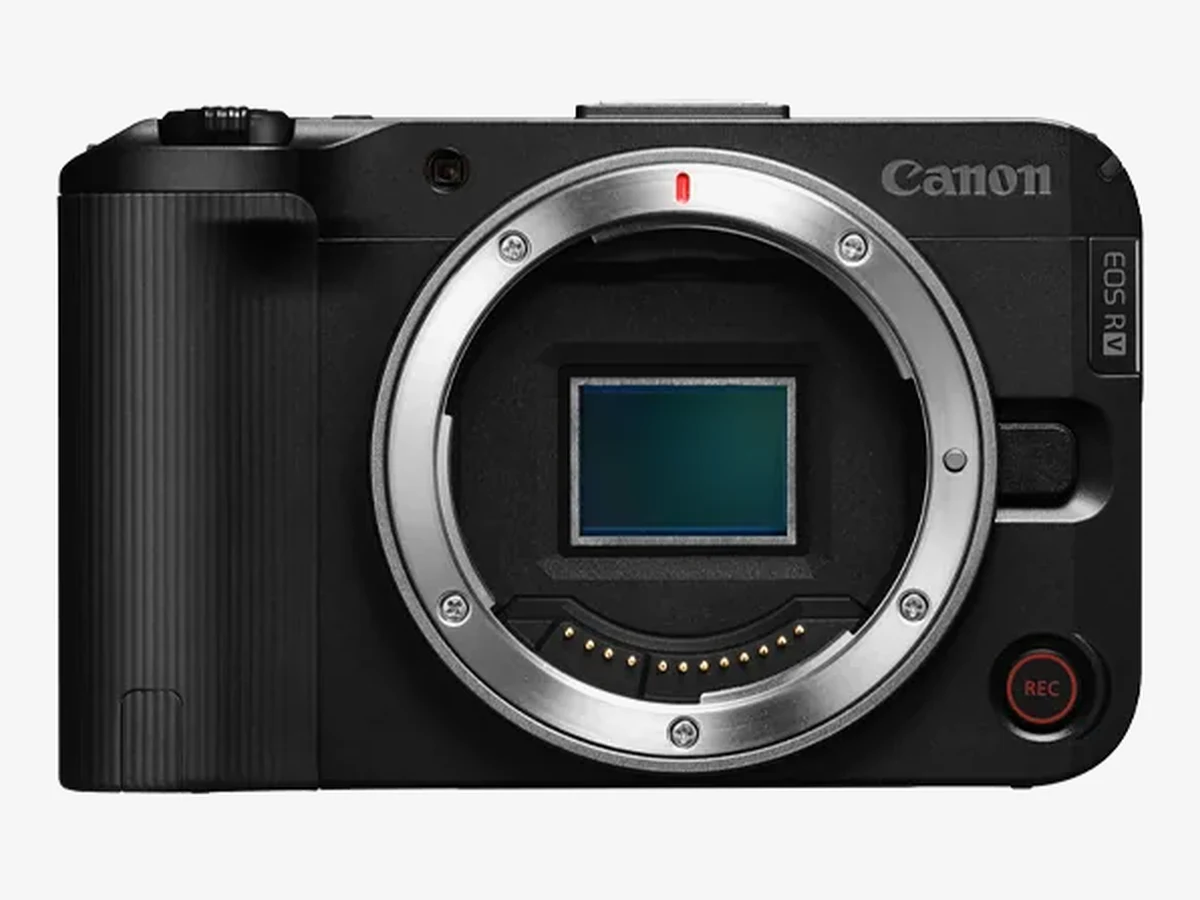
Image: Canon
Canon EOS R50 V
Tom’s Guide’s vlogging winner, and it’s easy to see why. Canon built this one video-first: dual record buttons, a vertical tripod socket, and a video/stills mode dial. 4K60 oversampled from 6K looks sharp with zero fuss, and Canon’s autofocus is superb. The trade-off: no in-body stabilization.
Pros
- Video-first design: dual record buttons, vertical tripod socket
- 4K60 oversampled from 6K looks sharp with zero fuss
- Superb Dual Pixel AF II keeps faces locked
Cons
- No in-body stabilization
- Native RF-S lens choice still growing
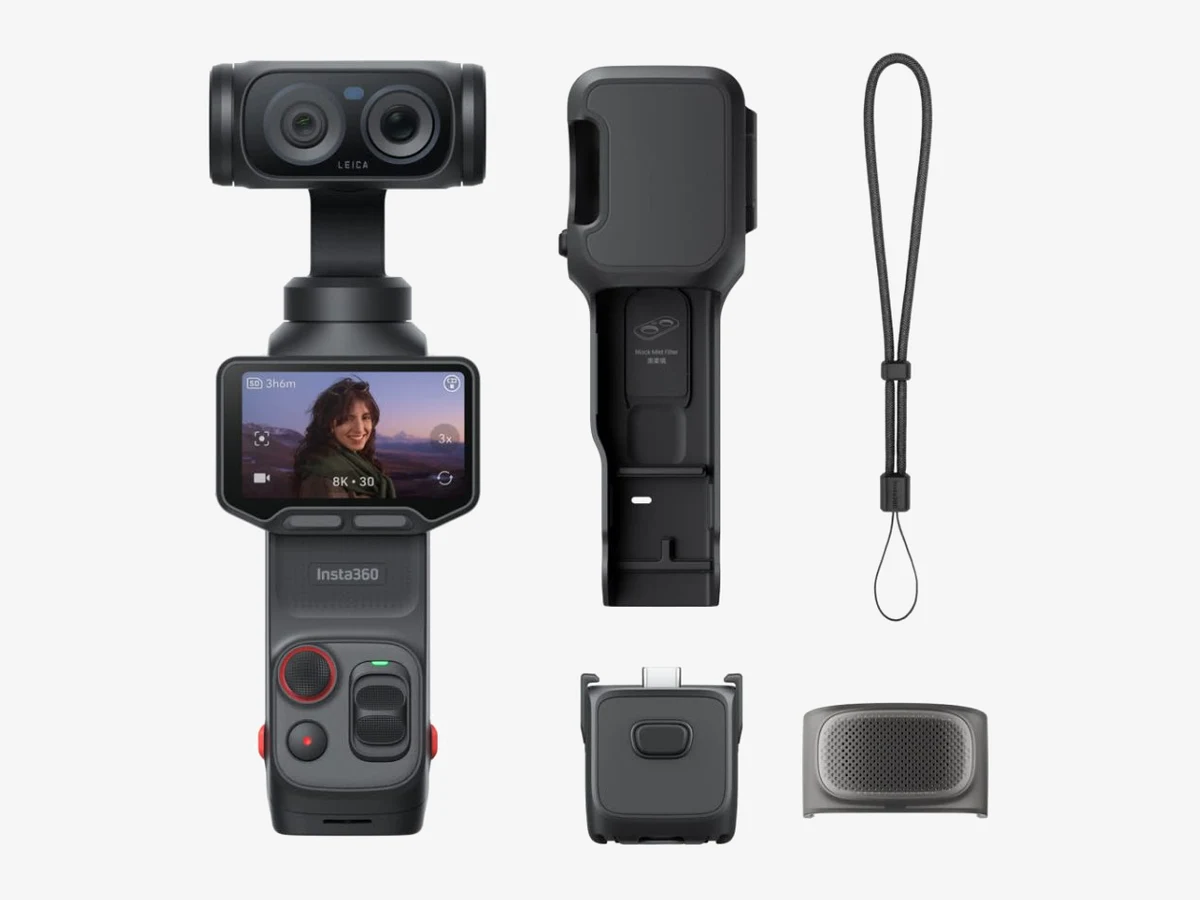
Image: Insta360
Insta360 Luna Ultra
The first genuine rival to DJI’s Pocket line, and it leapfrogs it with two lenses: a 1-inch 8K wide camera and a 60mm telephoto for portraits and b-roll. The detachable screen doubles as a wireless remote with a built-in mic, which solo vloggers will actually use. A later firmware update even added 4K vertical video. It is chunkier than the Pocket 4, though,, and the zoom needs good light to shine.
Pros
- Two lenses in one: 1-inch 8K wide plus 60mm telephoto for portraits and b-roll
- Detachable screen doubles as a wireless remote with built-in mic
- 4K120 slow motion and 10-bit I-Log for grading
Cons
- Vertical video tops out at 3K
- Chunkier than the Pocket 4
- Brand-new 2026 system with a shorter track record
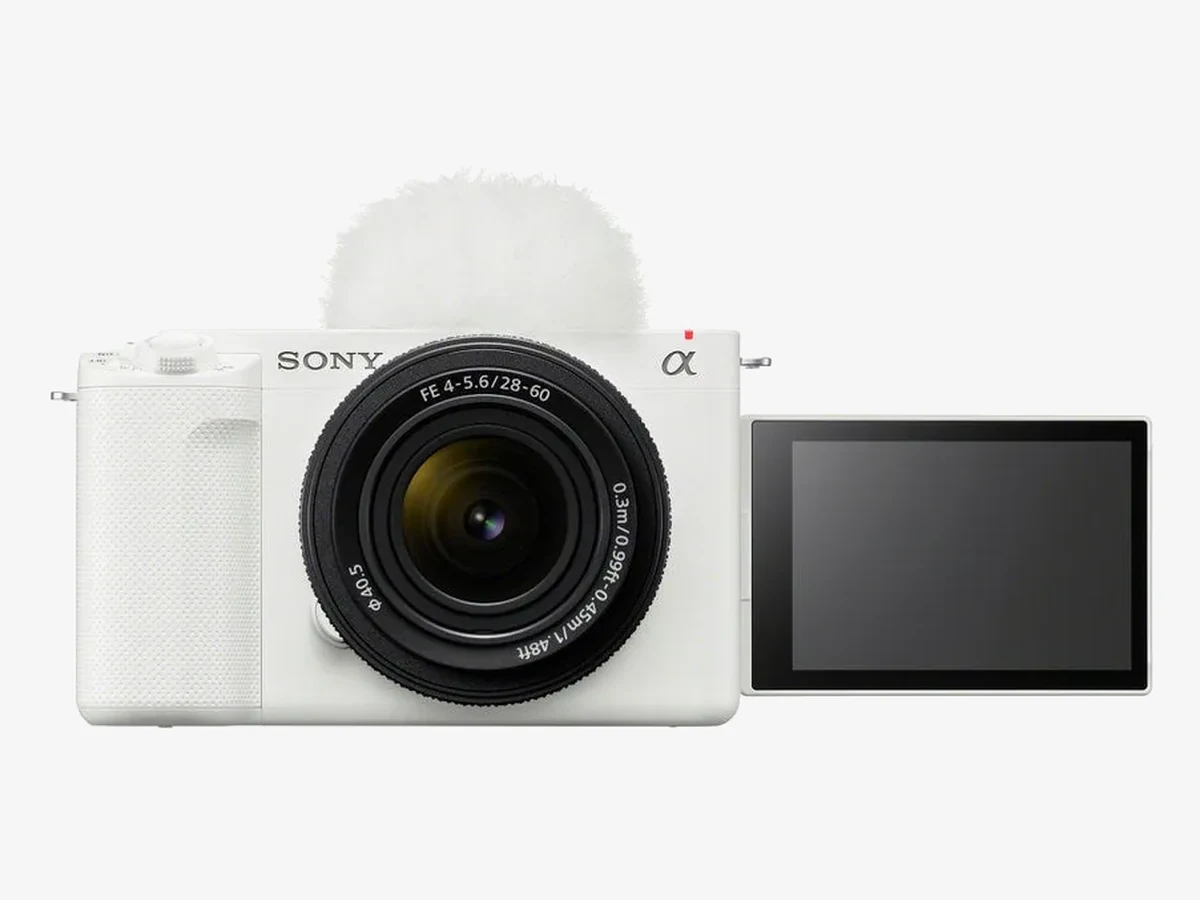
Image: Sony
Sony ZV-E1
Full-frame image quality in a body barely bigger than the ZV-E10 II. If low light and background blur matter most to your vlogs, this is the camera that delivers, with 4K120 slow motion on top. What you give up: the 12MP sensor means stills are an afterthought at this price.
Pros
- Full-frame look: the best low light and background blur on this list
- 4K120 slow motion in a compact body
- 5-axis stabilization smooths handheld footage
Cons
- 12MP sensor makes stills an afterthought
- Premium price for the sensor size
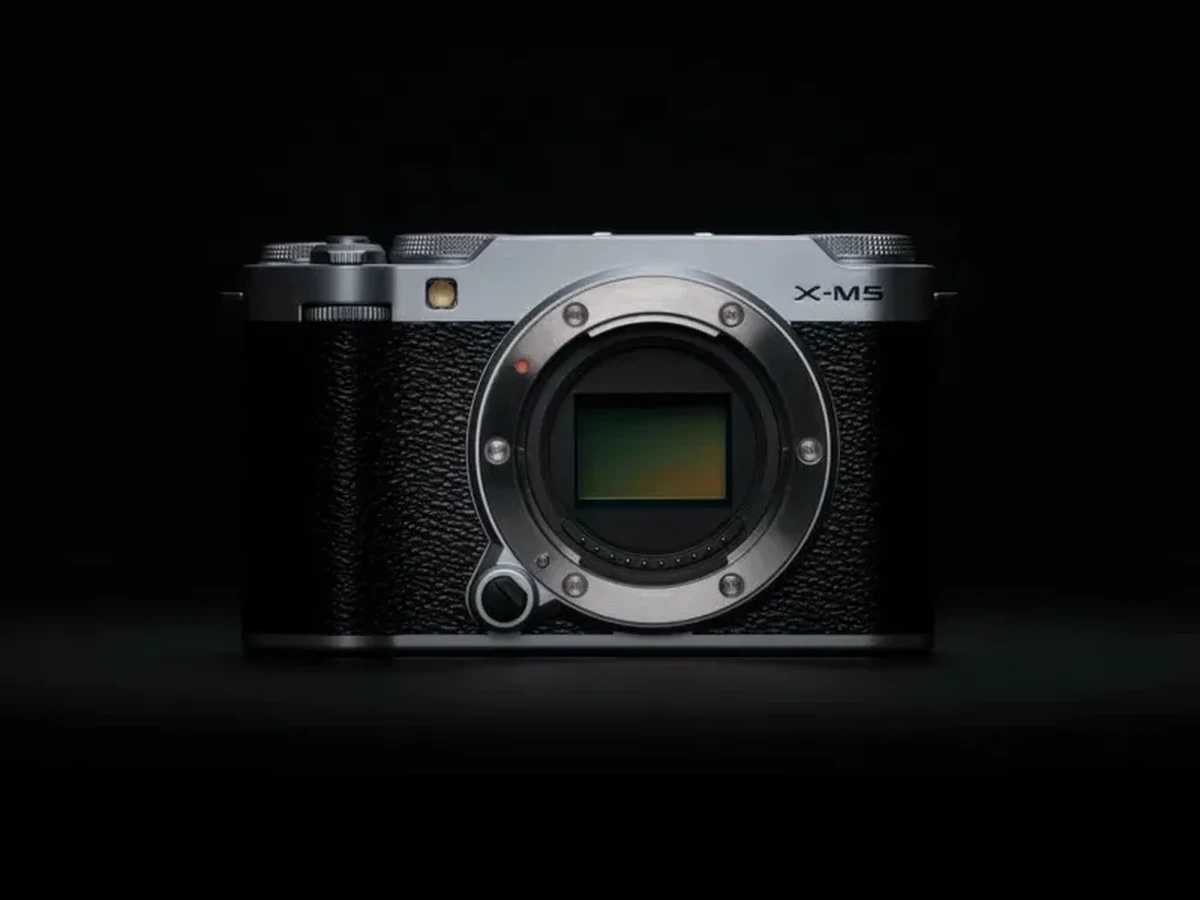
Image: Fujifilm
Fujifilm X-M5
Tiny body, 6.2K video, and Fuji’s film simulations that make footage look graded straight out of camera. A favorite of travel and lifestyle vloggers who want the look without the editing. Where it lags: autofocus tracking trails Sony and Canon, and there’s no IBIS.
Pros
- Film simulations give a graded look straight out of camera
- 6.2K video in a genuinely tiny body
- A favorite of travel and lifestyle vloggers
Cons
- Autofocus tracking trails Sony and Canon
- No in-body stabilization
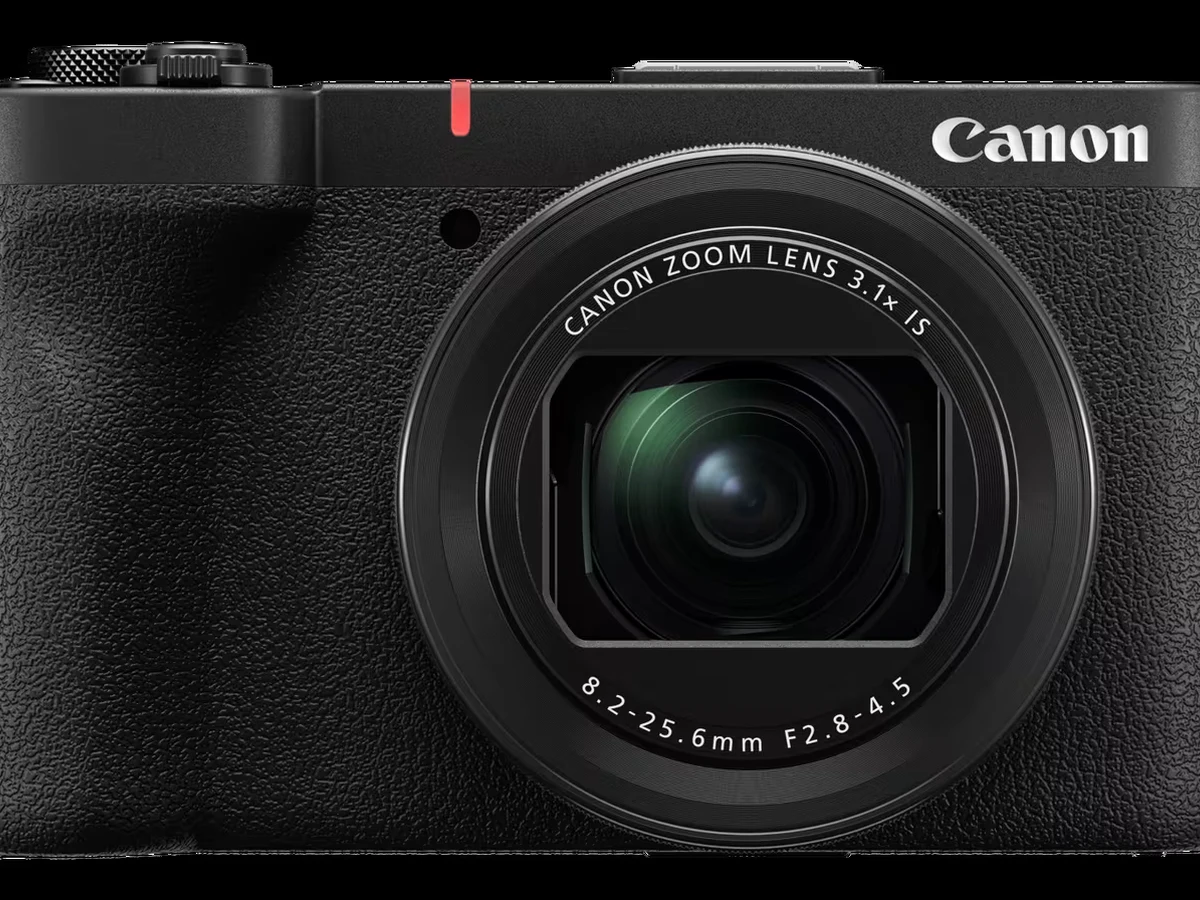
Image: Canon
Canon PowerShot V1
Canon’s proper answer to Sony’s ZV compacts, and a big step past the older V10: a 1.4-inch sensor with roughly twice the area of a 1-inch chip, 4K60, Canon Log 3, and a cooling fan so it doesn’t overheat on long takes. The trade-off: 4K60 carries a 1.4x crop, and it’s not quite pocket-small.
Pros
- 1.4-inch sensor, roughly twice the area of a 1-inch chip
- 4K60 plus 10-bit Canon Log 3 for serious grading
- Built-in cooling fan, so no overheating on long takes
- 3-stop ND filter plus mic and headphone jacks
Cons
- 4K60 carries a 1.4x crop
- Not quite pocket-small
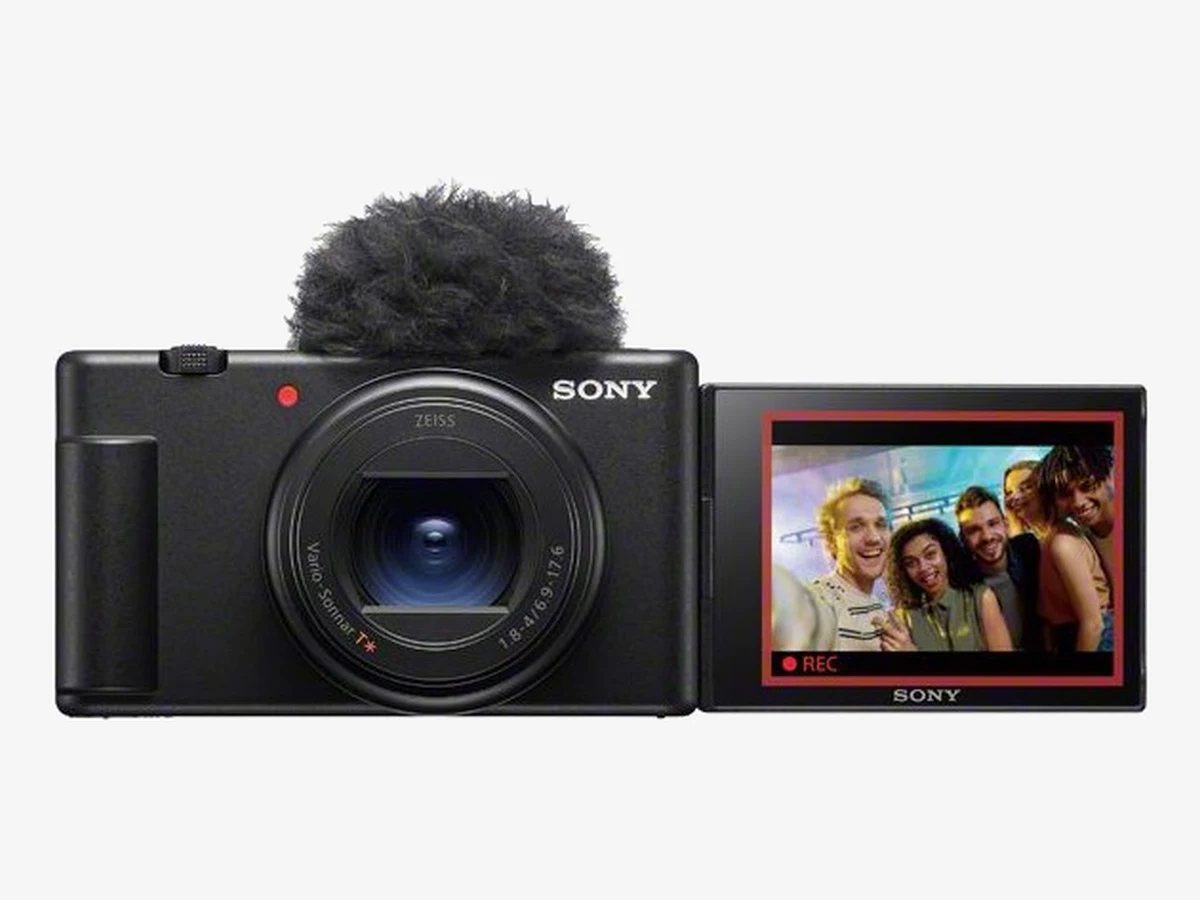
Image: Sony
Sony ZV-1 II
The compact to step up to when the budget ZV-1F feels too basic. Its 18-50mm zoom starts at an ultra-wide 18mm, so arm’s-length shots fit you and your surroundings in the frame, and it keeps the 1-inch stacked sensor, Product Showcase focus and directional three-capsule mic that made the original ZV-1 a default recommendation. The trade-offs are real: video stops at 4K30 and stabilization is electronic only, so it rewards a tripod or a steady hand.
Pros
- 18-50mm zoom with an 18mm wide end made for arm’s-length framing
- 1-inch stacked sensor with fast, reliable face and eye autofocus
- Product Showcase and Bokeh Switch built for creator workflows
- Directional 3-capsule mic with a wind screen in the box
Cons
- Video tops out at 4K30, no 4K60 mode
- Electronic stabilization only, no in-body system
- Modest battery life on long shooting days
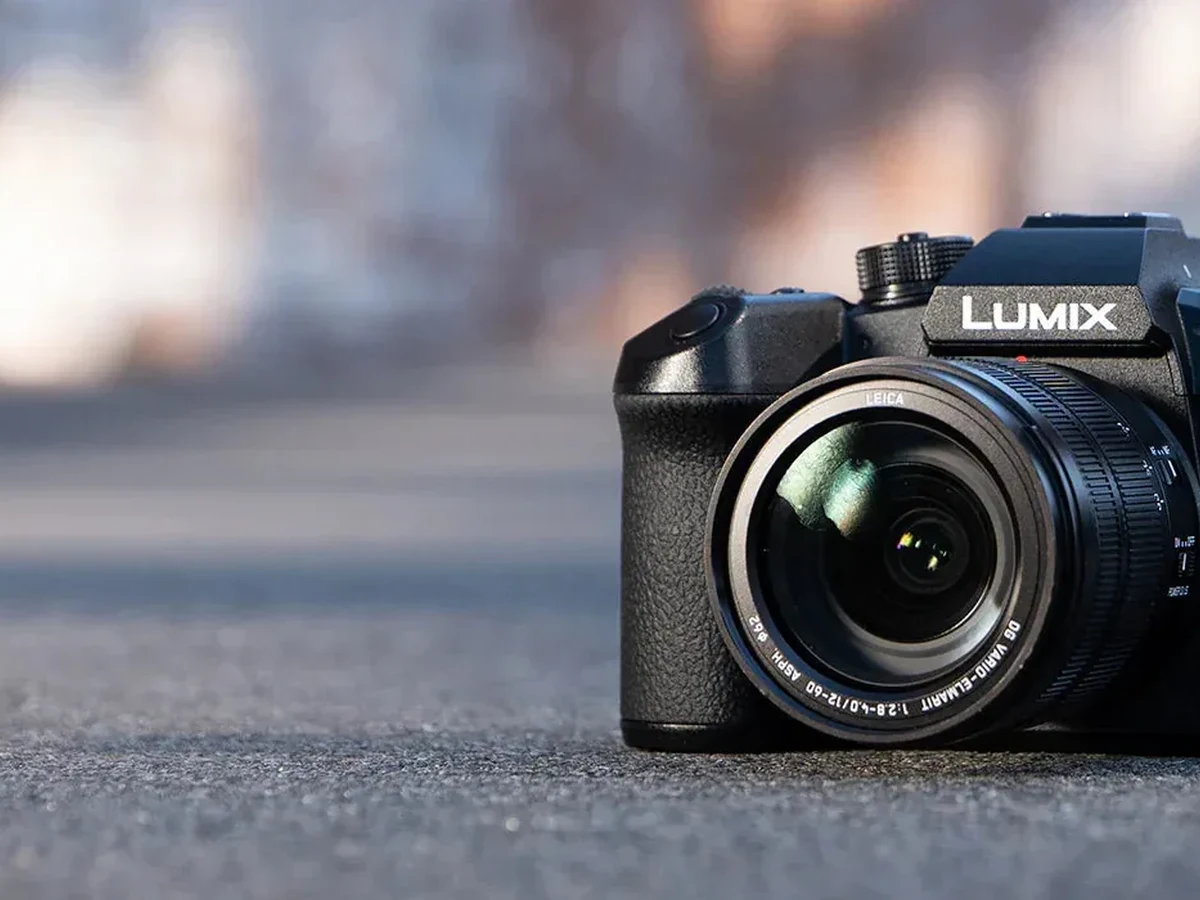
Image: Panasonic
Panasonic Lumix GH7
The video nerd’s pick: 5.7K60, internal ProRes RAW, 32-bit float audio, and stabilization Panasonic is famous for, with unlimited recording thanks to a cooling fan. Downsides? The Micro Four Thirds sensor lags full-frame in low light, and the body is chunky for its sensor size.
Pros
- 5.7K60 with internal ProRes RAW for maximum edit flexibility
- 32-bit float audio is nearly impossible to clip
- Superb IBIS plus a cooling fan for unlimited recording
Cons
- Micro Four Thirds sensor trails full-frame in low light
- Chunky body for the sensor size
- Overkill for casual vlogging, and priced that way too
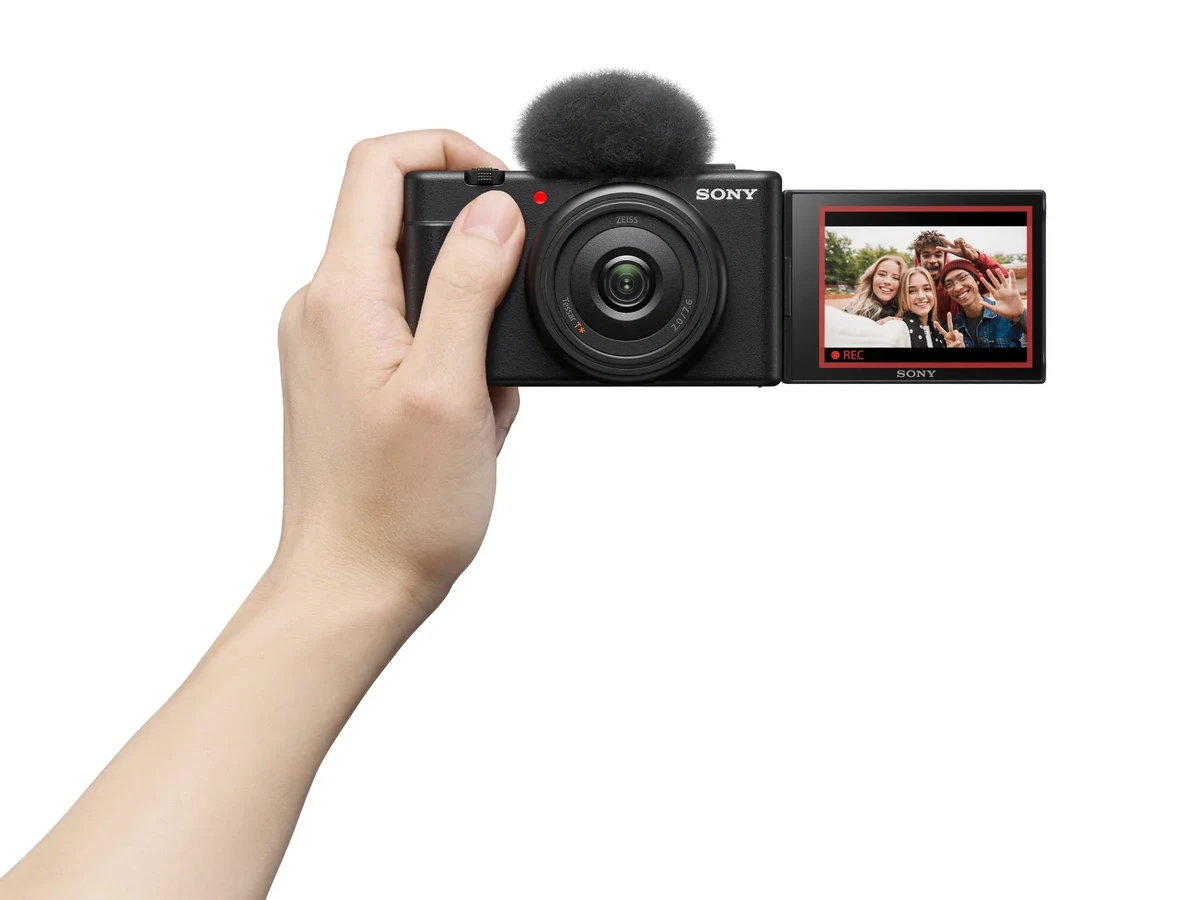
Image: Sony
Sony ZV-1F
The cheapest way onto this list with a 1-inch sensor. A fixed 20mm wide lens, 4K30, and Sony’s vlogging auto modes (Product Showcase, Background Defocus) make it dead simple for beginners. You do get older contrast-based autofocus, though, and a cold shoe instead of a real hotshoe.
Pros
- Cheapest 1-inch-sensor route onto this list
- Fixed 20mm wide lens is ideal for arm’s-length vlogging
- Product Showcase and Background Defocus auto modes make it dead simple
Cons
- Older contrast-based autofocus
- Cold shoe instead of a real hotshoe
- Fixed lens: no zoom at all
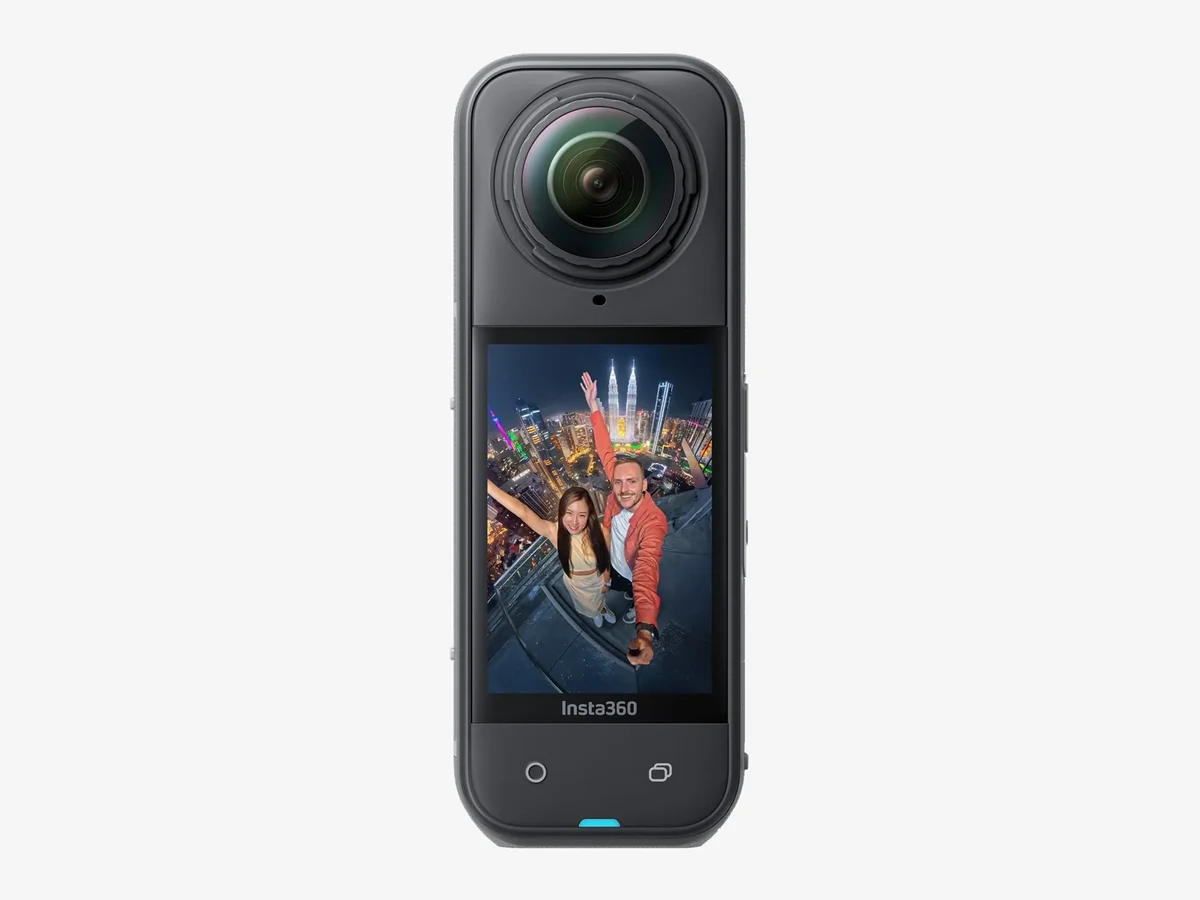
Image: Insta360
Insta360 X5
Shoots everything in 8K 360 so you can reframe the perfect shot afterward. Great for travel vlogs and action where you can’t aim, and the invisible selfie stick effect still impresses. Just know that reframed 4K output is softer than a native 4K camera, and the editing workflow takes learning.
Pros
- 8K 360 capture, so you can reframe the perfect shot after the fact
- Invisible selfie-stick effect still impresses
- Waterproof and great for travel or action you can’t aim
Cons
- Reframed 4K output is softer than a native 4K camera
- The 360 editing workflow takes learning
- Overkill if you only shoot standard vlogs
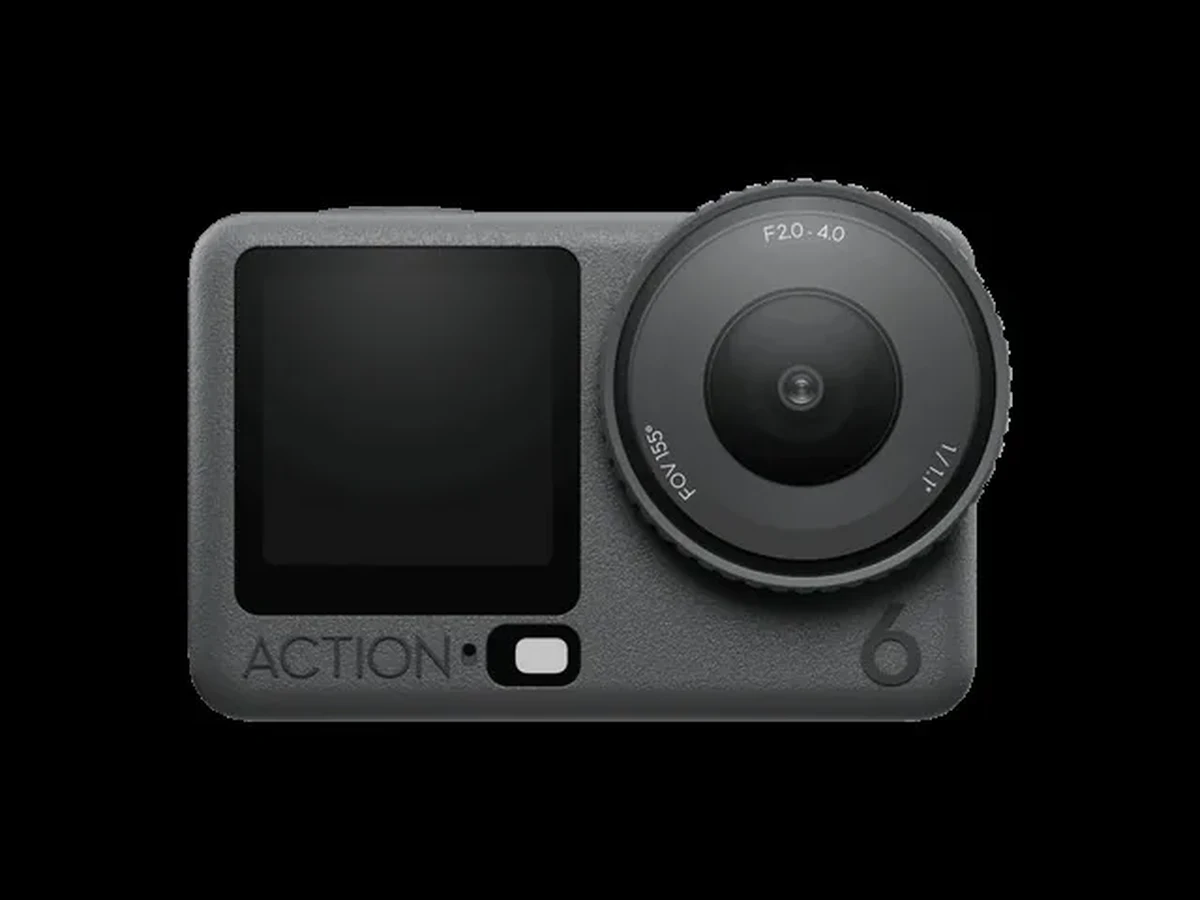
Image: DJI
DJI Osmo Action 6
The current action cam to beat: a big 1/1.1-inch square sensor that reframes one clip for YouTube and Shorts, a variable aperture, 4K120, and 20m waterproofing with no case, plus a front screen for self-framing. One caveat: the ultra-wide action-cam look flatters talking-head vlogs less than a gimbal camera.
Pros
- 1/1.1-inch square sensor: reframe one clip for YouTube and Shorts
- Variable f/2.0-4.0 aperture, a rarity in action cams
- 4K120, 20m waterproofing with no case, front screen for self-framing
Cons
- Ultra-wide action-cam look flatters talking heads less than a gimbal camera
- Low light trails the 1-inch pocket rivals
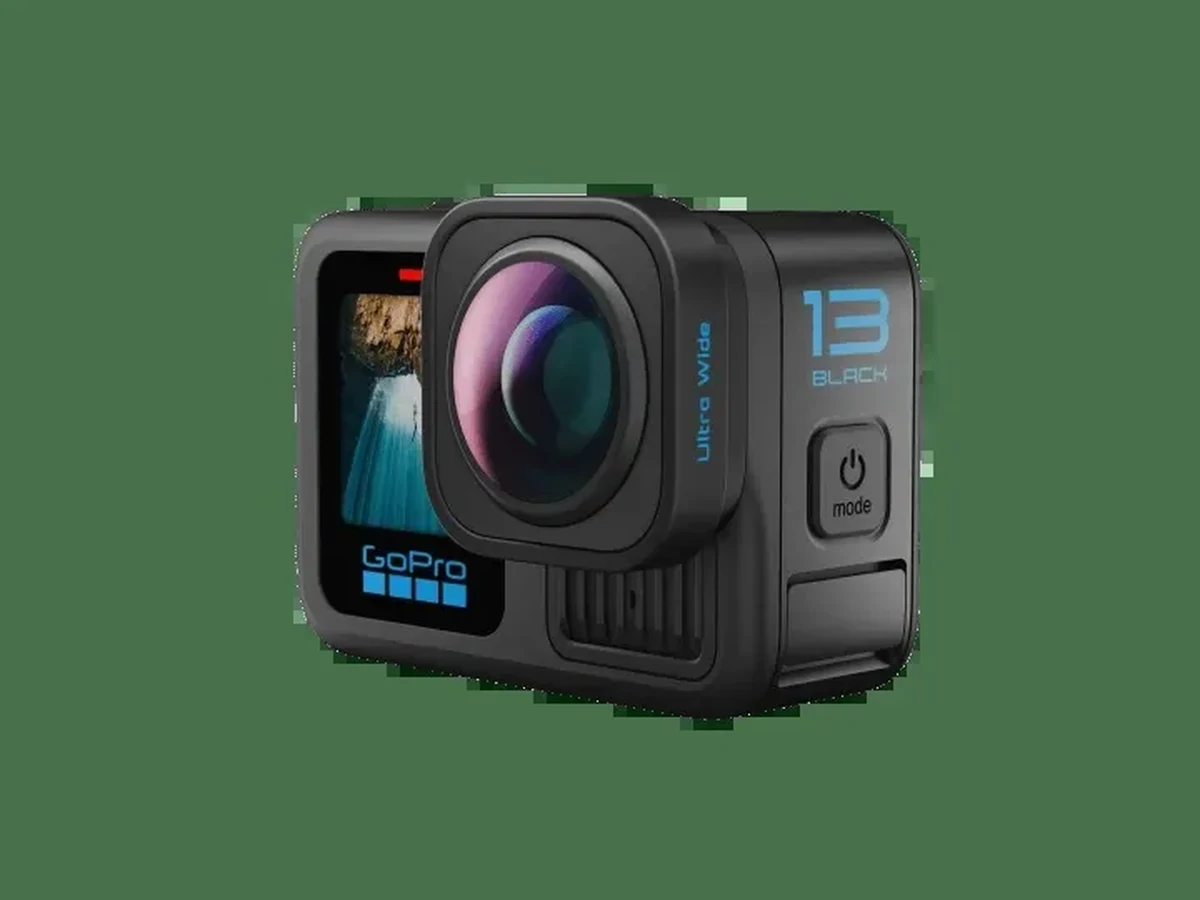
Image: GoPro
GoPro HERO 13 Black
The GoPro most people should buy. 5.3K60, best-in-class HyperSmooth stabilization, and the HB-series modular lenses (ultra-wide, anamorphic, macro) add versatility, backed by the biggest mount and accessory ecosystem in the business. The compromise is a smaller sensor, which means weaker low light than the 1-inch-sensor rivals.
Pros
- 5.3K60 with best-in-class HyperSmooth stabilization
- HB-series modular lenses add ultra-wide, anamorphic, and macro options
- Huge mount and accessory ecosystem; front and rear screens
Cons
- 1/1.9-inch sensor means weaker low light than 1-inch rivals
- Battery drains fast under heavy 5.3K use
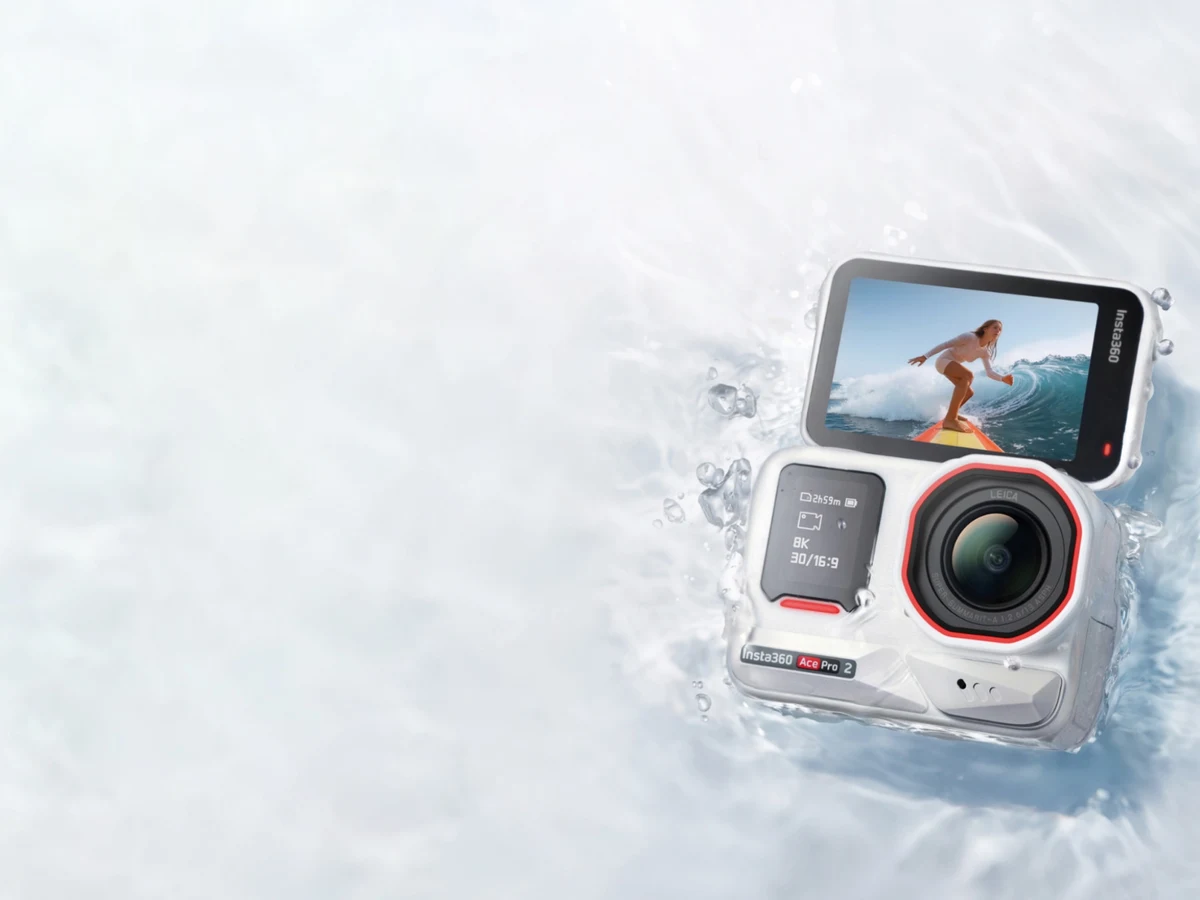
Image: Insta360
Insta360 Ace Pro 2
Leica-coengineered optics and a 1/1.3-inch sensor give this the best night and indoor footage of any action cam here, with 8K capture and a flip-up selfie screen rounding it out. It is bigger and heavier than its GoPro and DJI rivals, though.
Pros
- 1/1.3-inch sensor with Leica-coengineered optics: the best night and indoor footage of any action cam here
- 8K30 plus 4K120 slow motion
- Flip-up selfie screen for easy framing
Cons
- Bigger and heavier than GoPro and DJI rivals
- Premium price for an action camera
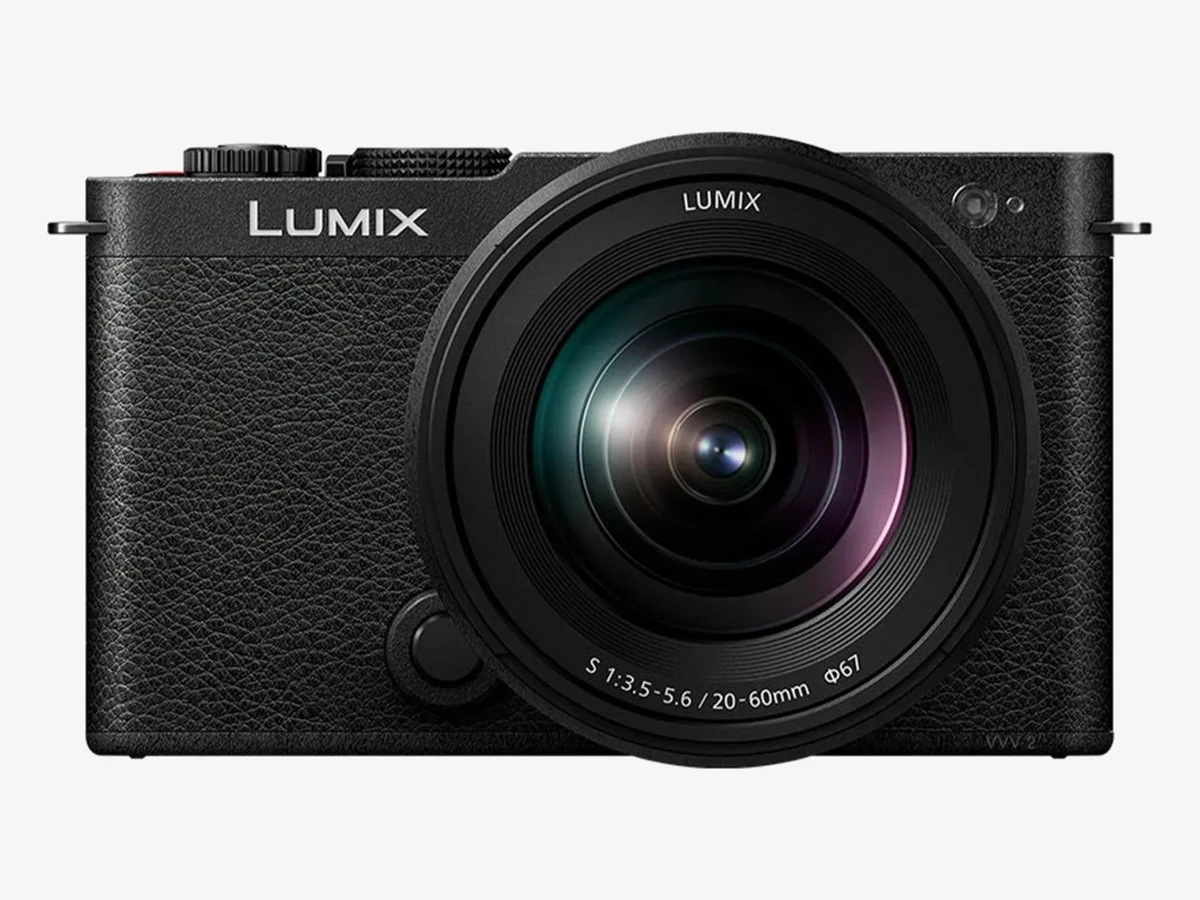
Image: Panasonic
Panasonic Lumix S9
Full-frame 6K in the smallest full-frame body Panasonic makes. Open Gate recording lets you crop one take for YouTube and TikTok, and Real-Time LUTs bake in a cinematic look with no editing. What is missing: no viewfinder and minimal physical controls, so stills shooters will feel the compromises.
Pros
- Full-frame 6K in Panasonic’s smallest full-frame body
- Open Gate recording: crop one take for YouTube and TikTok
- Real-Time LUTs bake in a cinematic look with no editing; IBIS included
Cons
- No viewfinder
- Minimal physical controls, so stills shooters will feel the compromises
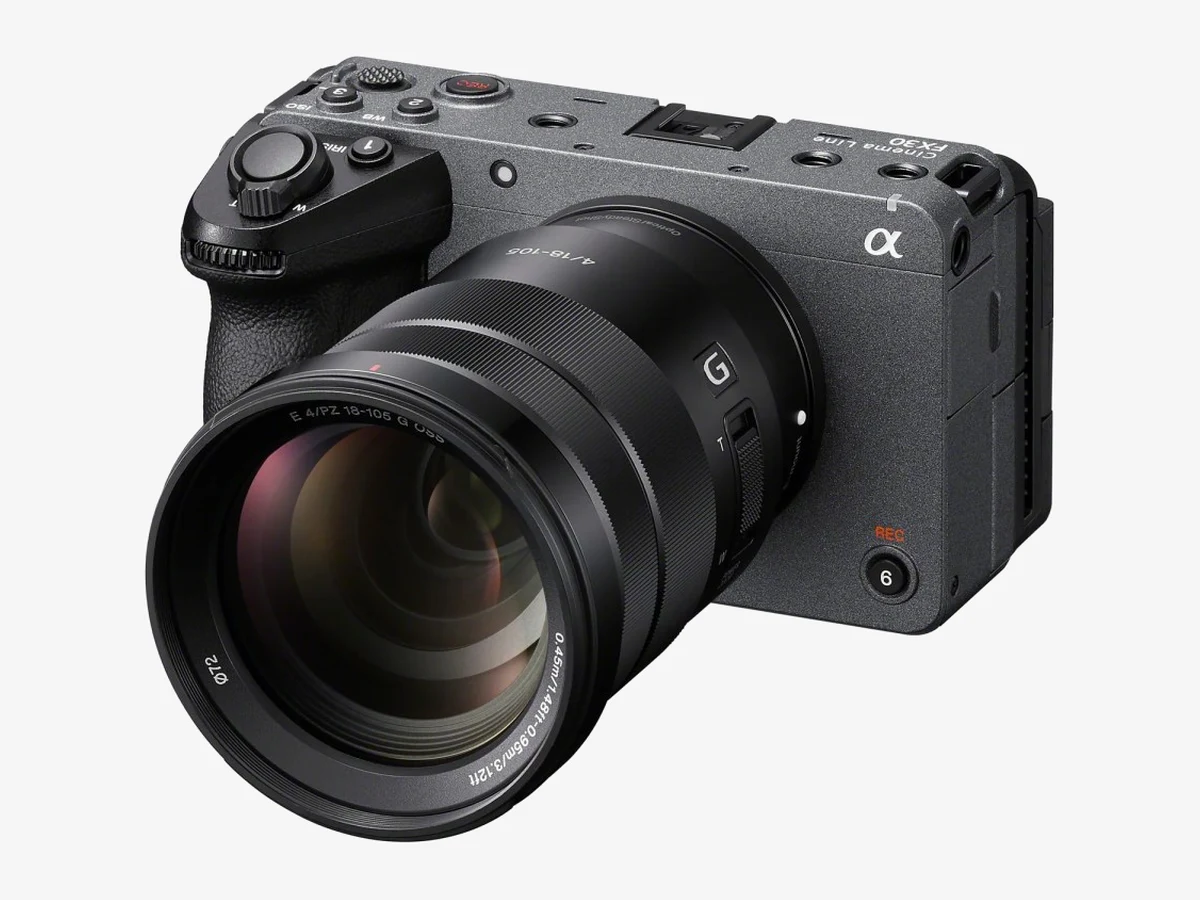
Image: Sony
Sony FX30
A true cinema-line camera at an APS-C price: 4K120, 10-bit, professional codecs and proper audio handling, for vloggers whose channels are becoming businesses. The trade-off: no viewfinder, minimal photo capability, and you’ll spend more rigging it out.
Pros
- True cinema-line features at an APS-C price: 4K120, 10-bit 4:2:2, pro codecs and audio
- Access to Sony’s huge E-mount lens system
Cons
- No viewfinder and minimal photo capability
- You’ll spend more rigging it out; the real cost adds up
How to choose a vlogging camera
Specs only tell half the story. The right camera is the one that matches how you actually film, so start there instead of with a spec sheet.
Start with how you’ll actually film
walk-and-talk vloggers need stabilization or a gimbal; sit-and-talk vloggers should prioritize sensor size and audio.
Be honest about your format before anything else. If your vlogs are mostly you walking through streets and cities, stabilization decides whether your footage is watchable. If you film at a desk or in one room, a bigger sensor and a good microphone matter far more than a gimbal. The cameras above cover both styles, which is why the list mixes pocket gimbals, compacts, and mirrorless bodies instead of pretending one shape fits all.
Pick a shape: mirrorless, compact, or pocket gimbal
mirrorless for room to grow, fixed-lens compacts for simplicity, pocket gimbals for smooth footage with zero effort.
These are genuinely different tools. A mirrorless camera like the Sony ZV-E10 II or Canon EOS R50 V lets you swap lenses as your channel grows, but you’ll carry more and learn more. A compact like the ZV-1F or PowerShot V1 is grab-and-go: one lens, no decisions. A pocket gimbal like the Osmo Pocket 4 or Luna Ultra gives you stabilized footage that looks professional the day you unbox it, at the cost of a fixed lens and a smaller creative ceiling. None is objectively best; they solve different problems.
Sensor size: bigger helps, but it’s not everything
a 1-inch sensor is the sweet spot for most vloggers; APS-C and full-frame add low-light performance and background blur.
A bigger sensor collects more light, which means cleaner indoor and evening footage and softer background blur. That’s why the 1-inch-sensor cameras dominate the middle of this list. But sensor size is only one ingredient. The Osmo Pocket 4 beats many larger-sensor cameras for vlogging because its gimbal keeps every shot steady, and the Luna Ultra’s dual lenses do things no single big sensor can. Judge the whole package, not the spec line.
Stabilization matters more than resolution
shaky 4K looks worse than smooth 1080p, so prioritize IBIS, electronic stabilization, or a gimbal over chasing 8K.
Watch any vlog that made you click away and the culprit is usually motion, not pixels. For walking footage, a 3-axis gimbal (Pocket 4, Luna Ultra) is unbeatable. If your vlogging is mostly action and adventure on a tight budget, see our best 4K action cameras under $100. For static or light movement, in-body stabilization (GH7, S9, ZV-E1) or good electronic stabilization does the job. Resolution still matters for cropping and future-proofing, but it’s the second question, not the first.
Budget for sound, not just the camera
viewers forgive average video but not bad audio, so treat a microphone jack as non-negotiable.
This is the least glamorous advice on this page and the most important. Every camera on this list has a mic input. Using a decent one still costs money, though, so set aside part of your budget for even a basic external microphone. Built-in mics pick up wind and handling noise that no editing fully fixes. Good audio is what separates vlogs people finish from vlogs people abandon.
Don’t overbuy your first camera
a simpler camera you actually carry beats a pro body that stays home.
The FX30 and GH7 are wonderful machines, but they’re the wrong first camera for most people. Starting with something like the ZV-1F or R50 V teaches you framing, lighting, and editing, which matter far more than codecs. Upgrade when your current camera is the thing holding you back, not before. And if you’re timing a purchase, our Black Friday camera deals page tracks the year’s biggest discounts. The best camera on this list is the one that gets used.
Phone or dedicated camera?
A good phone is enough to start. A dedicated camera earns its money in low light, background blur, real microphones and shoots that would drain or overheat a phone.
Phones win on convenience: they are always with you, the apps edit and upload in minutes, and modern stabilization is genuinely good. Cameras pull ahead as your channel grows: bigger sensors hold up indoors and at night, lenses give you real background separation, a microphone input transforms your audio, and swappable cards and batteries keep a long shoot day simple. The honest path for most people is to start on the phone, learn what frustrates you, and let that frustration pick the camera.
Budget for the whole kit, not just the camera
The camera body is not the full price. A fast memory card, a spare battery, a mini tripod or grip and a microphone are part of the real cost of every pick on this page.
None of these extras is exotic, and together they decide whether a camera is pleasant to live with. A card too slow for 4K causes dropped recordings, one battery ends a travel day at lunch, and handheld footage without a small grip gets tiring fast. When you compare two cameras at different prices, compare the full kits: the cheaper body plus its essentials against the dearer one. Our vlogging accessories hub breaks down what each extra does and which ones can wait.
Heat and long takes
If you record long sessions, recording limits matter more than headline resolution: some compact 4K cameras pause to cool down mid-shoot.
Short clips rarely trouble any camera here, but a one-hour podcast-style recording, a livestream or a wedding speech is a different test. The Canon PowerShot V1 was designed around exactly this problem and carries a built-in cooling fan for unlimited 4K recording, while pocket cameras like the Osmo Pocket 4 can grow warm on long continuous 4K sessions, as its card above notes honestly. If your format is long-form, weight this criterion as heavily as image quality.
Field of view: will you fit in the frame?
At arm’s length, a view around 16-20mm equivalent fits your face plus some background. Much narrower and you will be cropping your own forehead.
Two quiet traps narrow that view further. Several cameras crop the frame in their 4K60 modes (the Canon EOS R50 V among them), and electronic stabilization crops a little more on top. That is why the starting focal length matters more for vlogging than the zoom range: a camera that begins at 18mm or wider forgives the crops, while one that starts at 24mm can feel cramped in a small room. When a card above lists a wide lens as a strength, this is the practical reason.
How we picked these 16. This list is research-based curation, not hands-on testing. We compared the current “best vlogging camera” roundups from major review outlets, kept only cameras that appear across multiple lists and are actually buyable in 2026, and cut anything discontinued, superseded, or still a rumor. Every entry includes a real weakness because no camera is perfect, and the list is refreshed as new models launch.
Go deeper: vlogging guides by topic
Shopping with a specific need or budget? These focused guides go deeper on one corner of vlogging at a time:
- Best Vlogging Cameras Under $200
- Best Vlogging Cameras Under $300
- Best Vlogging Cameras With Flip Screen
- Black Friday Camera Deals 2026
- Best Vlogging Equipment for Beginners
- Best 4K Action Cameras Under $100
Vlogging camera FAQ
What is the best vlogging camera for beginners in 2026?
the Canon EOS R50 V.
It’s designed video-first, so the controls make sense the moment you pick it up, and Canon’s autofocus keeps you sharp without fiddling. The Sony ZV-1F is the cheaper starting point if budget is tight, and the DJI Osmo Pocket 4 is the easiest path to footage that looks good immediately. Also see our vlogging equipment guide for beginners for the full starter kit beyond the camera.
Can I just use my smartphone instead of buying a vlogging camera?
for casual clips, yes; for a channel, a dedicated camera still wins.
Modern phones shoot excellent video in good light. Cameras pull ahead with real optical zoom, larger sensors for low light, proper stabilization hardware, microphone inputs, and batteries that survive a day of filming. If you’re posting occasionally, your phone is fine. If you’re building an audience, the upgrade is worth it.
Do I need 4K, or is 1080p enough for YouTube?
1080p is still fine to start; 4K buys you cropping flexibility.
Most viewers watch on phones where 1080p looks clean. Shooting in 4K lets you crop, reframe, and stabilize in editing while exporting 1080p, which is genuinely useful. Every camera on this list shoots at least 4K30, so you don’t need to pay extra for it in 2026.
What’s more important for vlogging: sensor size or stabilization?
stabilization affects every second of your footage; sensor size raises its quality ceiling.
For walk-and-talk vlogging, stabilization is the first priority because shaky footage is unwatchable regardless of sensor. For sit-down or tripod vlogging, sensor size matters more since nothing is moving. Ideally you get both, which is why gimbal cameras with 1-inch sensors sit at the top of this list.
Should I choose a mirrorless camera or a pocket gimbal camera?
pocket gimbal for effortless smooth footage; mirrorless for image quality and growth.
A pocket gimbal like the Osmo Pocket 4 makes great-looking vlogs with no learning curve, but the fixed lens limits you. A mirrorless camera like the ZV-E10 II takes better stills, handles low light better, and grows with lenses, but demands more skill and more bag space. Many creators eventually own both.
Do I need a full-frame camera for vlogging?
no, it’s overkill for most vloggers.
Full-frame sensors (Sony ZV-E1, Panasonic S9) give the best low light and background blur, but they cost more, and the bodies and lenses are bigger. APS-C and 1-inch sensors cover the vast majority of vlogging needs. Buy full-frame when your work demands it, not as a starting point.
How important are a flip screen and microphone input?
essential; don’t buy a vlogging camera without both.
The flip screen is how you frame yourself, check focus, and confirm you’re actually recording. The microphone jack is how your audio stops sounding like a phone call. Every camera recommended on this page has both, and any camera missing either shouldn’t be on a vlogging shortlist. For a dedicated roundup, see our best vlogging cameras with flip screen guide.
What’s the best vlogging camera for travel?
the DJI Osmo Pocket 4 for most trips, the Insta360 X5 if you want creative reframing.
Travel rewards small, tough, stabilized cameras. The Pocket 4 disappears into a jacket pocket and handles walk-and-talk beautifully. The X5 captures everything in 360 so you can choose your framing later, which is ideal when you can’t re-shoot a moment. For trips where photography matters too, the Fujifilm X-M5 is the compact mirrorless pick.
How much should I spend on my first vlogging camera?
start in the budget tier and upgrade when the camera holds you back.
A budget pick like the Sony ZV-1F teaches you the fundamentals without a painful investment. See our best vlogging cameras under $200 and best vlogging cameras under $300 guides for the full budget breakdown. Move to mid-range (ZV-E10 II, R50 V, Pocket 4) when you’re posting regularly and want better quality. Premium and pro bodies make sense once vlogging earns money or the cheaper camera is clearly the limit. Spending more early doesn’t make better vlogs; filming more does.
Do vlogging cameras work well in low light?
larger sensors do best, but all cameras struggle compared to a well-lit scene.
The Sony ZV-E1 (full-frame) and Insta360 Ace Pro 2 (best low-light action cam) lead this list after dark. That said, no camera beats adding light: a cheap LED panel improves night vlogs more than any sensor upgrade. If you film indoors or at night often, prioritize sensor size and fast lenses over anything else.
What is a vlogging camera?
A camera built around filming yourself: a flip screen so you can see yourself, fast face autofocus, strong stabilization and a way to attach a better microphone.
Any camera can record a video, but a vlogging camera removes the friction of solo shooting. You can check your framing without a monitor, trust the focus while you move, plug in a microphone for clear voice audio, and carry it all day without a rig. Those four traits, more than resolution, are what separate the cameras on this page from general-purpose models.
What camera do YouTubers use for vlogging?
There is no single YouTuber camera. The class of camera scales with the channel, and most big creators own more than one.
Starting channels mostly shoot on compacts and pocket cameras like the Sony ZV-1F and DJI Osmo Pocket 4, because they are fast and forgiving. Full-time creators tend to settle on mirrorless bodies such as the Sony ZV-E10 II or ZV-E1, where lenses, low light and audio options stop being limits. Large productions add cinema-leaning bodies like the Sony FX30 or Panasonic GH7 for desk and studio work, while keeping a pocket or action camera for everything outside it.
What’s more important: the camera or the microphone?
Once your camera is competent, the microphone. Viewers forgive soft video far sooner than they forgive bad audio.
Audio is the upgrade audiences feel without being able to name it: clear, close voice recordings hold attention, while echoey or distant sound makes people click away in the first minute. Every camera on this page either has a strong built-in microphone or a microphone input, and a wireless microphone is the first accessory most creators should buy after the camera itself.